Hyperbaric medicine · Sherman Oaks & Calabasas

Hyperbaric Oxygen Therapy for Compromised Skin Grafts & Flaps

When a graft or flap shows signs of poor blood flow, early treatment matters. OxygenWell provides physician-supervised HBOT alongside your surgeon's care, and Medicare and most PPO plans cover it for this UHMS-approved indication.

UHMS-approved indication
Medicare & PPO accepted
FDA-cleared chambers, up to 2.4 ATA
Hyperbaric technologist with a patient in an OxygenWell chamber
The condition

What Is a Compromised Graft or Flap?

A skin graft moves skin to cover a wound or surgical site. A flap moves tissue together with its own blood supply to repair damage from trauma, cancer surgery, or reconstructive or cosmetic procedures. Either is compromised when it isn't getting enough blood flow or oxygen to survive and heal.

Color change
Pale, dusky or bluish tissue that suggests poor circulation.
Congestion or swelling
Venous congestion, hematoma or edema that slows blood flow.
Delayed healing
Edges that stall, blister or begin to break down.
Partial tissue loss
Areas of necrosis (tissue death) in part of the graft or flap.
Wound breakdown
Ulceration or reopening of the surgical site.
Infection risk
Oxygen-starved tissue is more vulnerable to infection.
How HBOT helps

Oxygen Where Circulation Falls Short

More oxygen to threatened tissue
Breathing 100% oxygen under pressure dissolves oxygen into the blood plasma, reaching tissue that poor blood flow can't.
New blood vessel growth
A course of HBOT supports angiogenesis, helping the graft or flap build its own blood supply.
Less swelling, better defenses
HBOT reduces edema and helps white blood cells fight infection while the tissue recovers.
Why it happens

Common Causes of Graft & Flap Compromise

Compromise can occur even when surgery is technically successful, including after cosmetic and elective procedures.

Limited arterial supply
Not enough blood reaching the transferred tissue.
Venous congestion
Blood that can't drain away, starving tissue of fresh oxygen.
Prior radiation
Radiation-damaged tissue heals poorly and has fewer blood vessels.
Smoking & vascular disease
Nicotine, diabetes and vascular conditions reduce blood flow.
Hematoma or swelling
Pressure from fluid or blood under the tissue.
Infection
Infection raises oxygen demand in tissue that's already short.
For surgeons

Referring a Patient

For a threatened graft or flap, the sooner treatment starts, the better. Call us directly and we'll move quickly.

Call or fax
Call (818) 661-0939 or fax records to (619) 273-0919.
We verify coverage
Our team checks benefits and handles prior authorization.
Prompt scheduling
We schedule as soon as possible at Sherman Oaks or Calabasas.
We keep you updated
Your patient's progress is shared with you throughout the course.
Coverage
Compromised skin grafts and flaps are a UHMS-approved indication for HBOT. Medicare and most PPO plans cover treatment when medical necessity is documented by the referring physician. HBOT is a medical treatment and is not right for every patient; eligibility and results depend on individual evaluation.

Talk With Our Hyperbaric Team

Call about a compromised graft or flap, a referral or your insurance coverage.
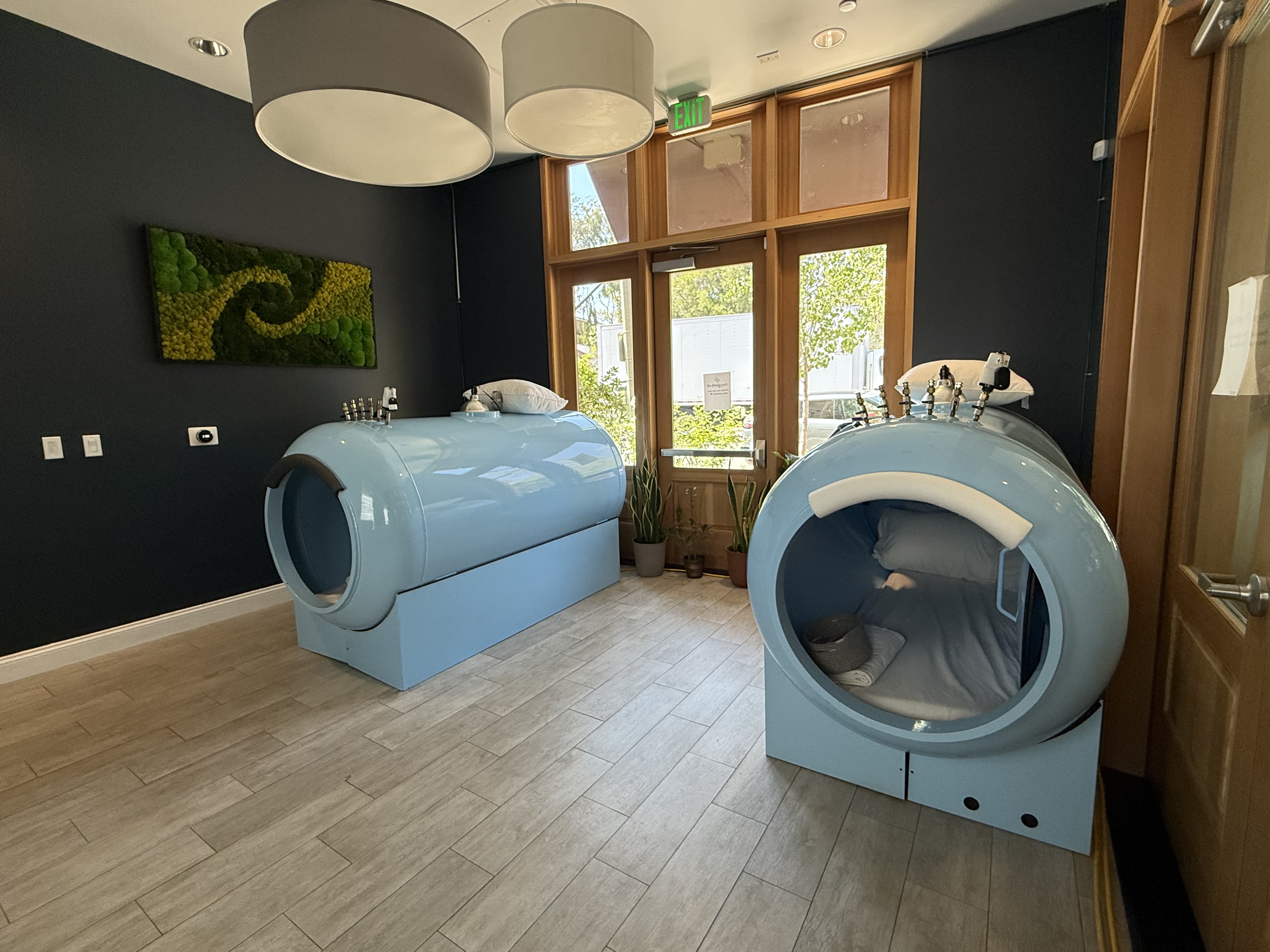
OxygenWell treatment room with two hard-shell hyperbaric chambers
Insurance Accepted

Insurance Coverage & Referrals

Many patients receiving HBOT for delayed radiation injury may qualify for insurance coverage, including:
Medicare
PPO insurance plans
Blue Shield
United Healthcare and more.
Coverage is typically based on:
Documented history of radiation therapy
Evidence of delayed tissue injury
Medical necessity
Physician referral
Prior authorization requirements
Our team assists with insurance verification and coordination prior to initiating treatment.